

Did you know employers shortlist applicants based on their supporting statement? A survey revealed that 32% of good candidates were not shortlisted for a job interview because their supporting statement was weak or did not meet the job criteria. This survey clearly shows how supporting statements can make or break your career. Reason? Well, a CV outlines your professional history and qualifications, and the supporting statement offers a unique opportunity to showcase your personality and suitability for the particular role.
With UK marketing becoming more competitive, it is essential to write a strong supporting statement. This guide will help you learn how to write a supporting statement. Furthermore, you will find:
- The Best Supporting Statement Structure
- Top Tips by CV Writers UK
- Supporting Statement Examples for CVs
- Common Mistakes to Avoid
Therefore, let’s understand what is Supporting Statement is for most hiring managers!
Key Takeaways
- A strong supporting statement clearly explains how your skills, experience, and achievements align with the employer’s requirements.
- Using specific, evidence-based examples makes your statement more convincing and shows you understand the role.
- Tailoring each statement to the organisation and addressing the job criteria directly increases your chances of being shortlisted.
What Is a Supporting Statement?
A supporting statement can be a section of the CV, such as a professional summary, or an attachment to the job application. This is where you can say why you are a perfect candidate while applying for a job. Writing a strong supporting statement means demonstrating your skills relevant to the position you are applying for, your qualifications, and your industry experience. However, you must not confuse supporting statements with cover letters — and the same applies to personal statements, as our guide to Cover Letter vs Personal Statement explains.
How to Write a Supporting Statement for a Job Application?
Here’s how to write supporting statement that conveys your enthusiasm, attention to detail, and answers all questions employers or hiring managers might have:
Preparation and Strategy
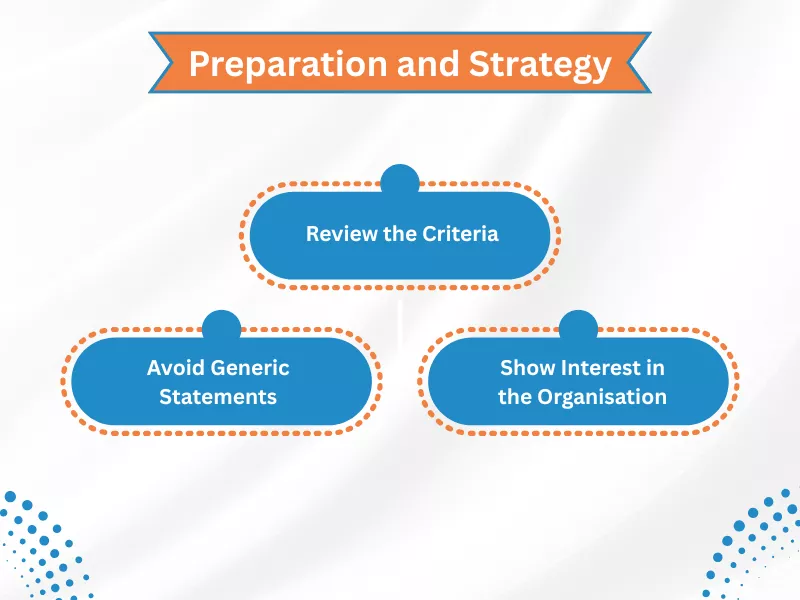
If you check out the best sample supporting statement for job application, you will find that they are highly tailored to the job description and are evidence-based. Therefore:
1. Review the Criteria:
Before writing CV Personal Statement Examples, read the job description properly and the person specification carefully to understand all the specific requirements. Your supporting statement example UK must show how you meet each selection criterion.
2. Avoid Generic Statements:
Just because you check out an example of a supporting statement for a job application does not mean you will copy it. The “one size fits all” logic does not work here. You need to customise it to match your job application and JD.
3. Show Interest in the Organisation:
Every example supporting statement is the applicant’s opportunity to explain why they want the job, highlighting their interest in and attraction to the organisation.
For Instance:
If you are writing an NHS Job Cover Letter, you need to focus on why you are keen to support their particular cause.

Make your CV match your statement
Tailor your CV to the same job criteria — free online editor, no fuss.
Providing Evidence (Show, Don’t Tell)
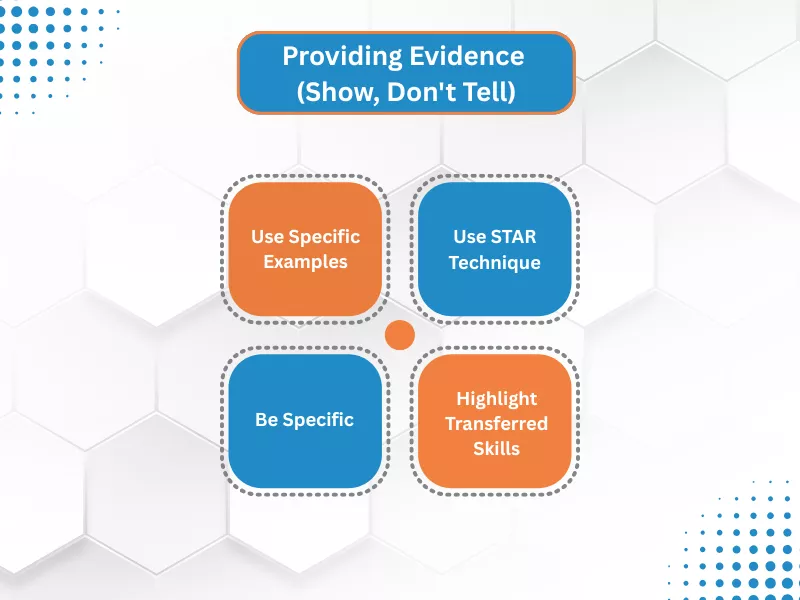
A supporting statement must serve as a copy that substantiates your claims in the CV. Therefore, no matter how many supporting statements examples for job applications to check, always do the following:
1. Use Specific Examples:
The best example supporting statement job application showcases real-life scenarios and evidence that support the required skills, knowledge, experience, and qualifications. Thus, avoid stating “strong time management skills”; instead, talk about a project or system where you demonstrate it.
2. Use STAR Technique:
The STAR technique (Situation, Task, Action, Result) can help you structure your examples in a meaningful way.
3. Be Specific:
Provide concrete examples that make them think that you are the best candidate and more than enough to fulfil their requirements with your achievements, using percentages, amounts, or numbers where possible.
4. Highlight Transferred Skills:
Transferable skills are essential, so you can use the example supporting statement to demonstrate experience gained through employment, education, or career breaks.
Addressing Gaps and Missing Experience
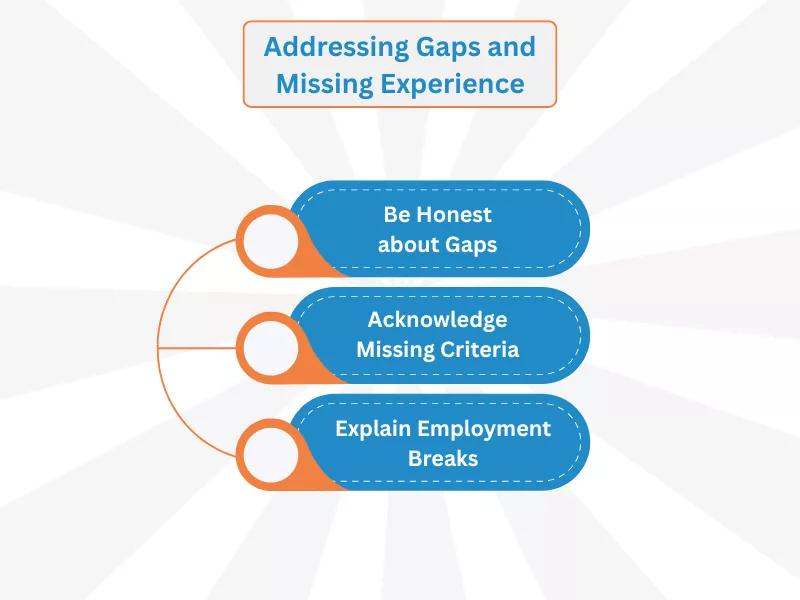
The best supporting statement job application example includes a proper explanation of career gaps and missing experience.
1. Be Honest about Gaps:
Here’s some advice for you: Be honest about your skills and experience gaps when you don’t have exact skills to match the JD. You must also explain how you meet other requirements.
2. Acknowledge Missing Criteria:
If you have more than one requirement that you cannot meet, then acknowledge it and explain how you can quickly learn new skills.
3. Explain Employment Breaks:
The supporting statement is the best place to explain employment gaps. Suppose you need to explain your career gaps. In that case, you can use a Resignation Letter Example Due to Family Illness, raising your family, or time taken off to study or travel in your supporting statement example NHS.
Now, let’s understand the supporting statement format or structure.
How Do I Structure a Supporting Statement?
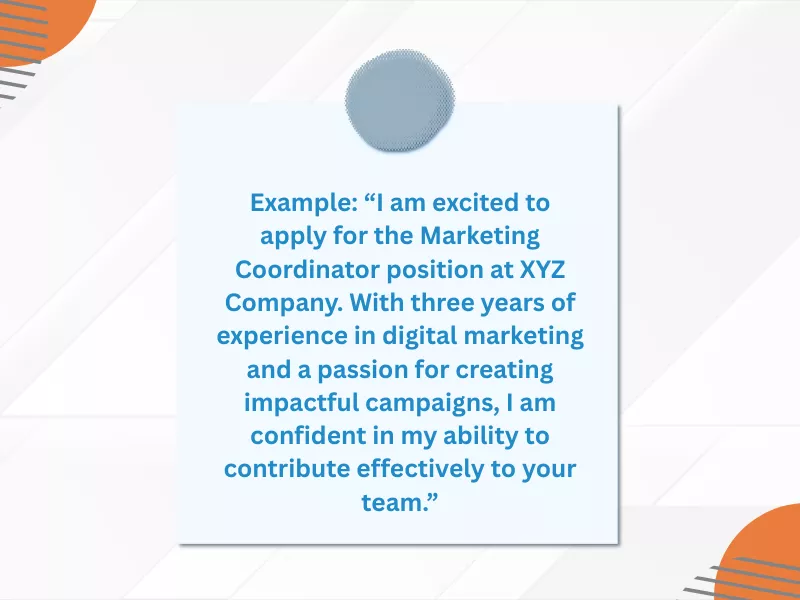
1. Introduction
Purpose: Quickly grab attention and summarise why you are applying.
Writing Tips:
- State the position you are applying for.
- Give a brief overview of your professional background.
- Highlight your enthusiasm for the role or organisation.
2. Address the Job Requirements
Purpose: Show that you meet or exceed the essential criteria listed in the job description.
Writing Tips:
- Break down your experience, skills, and achievements against key requirements.
- Use bullet points if the employer encourages them, or paragraphs for a narrative style.
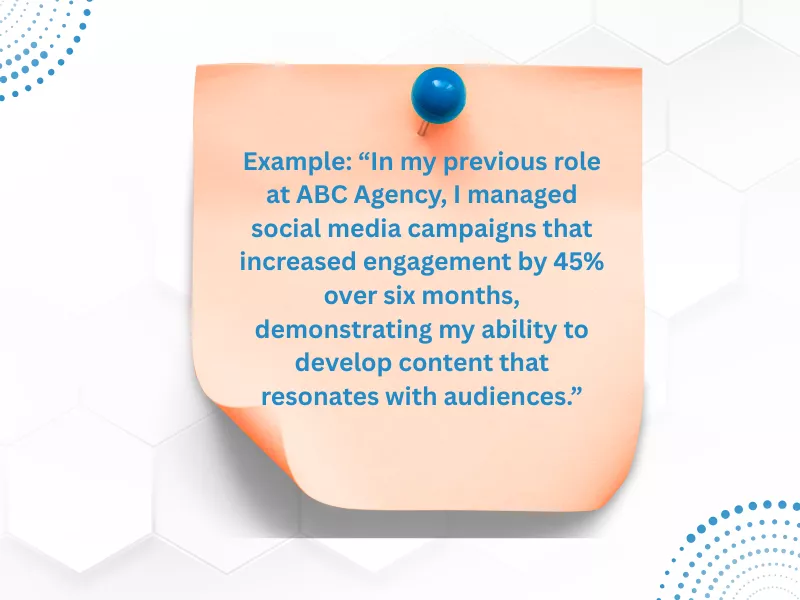
- Provide specific examples with measurable results where possible.
3. Highlight Relevant Skills and Attributes
Purpose: Emphasise personal qualities or transferable skills relevant to the role.
Writing Instruction:
- Include soft skills (e.g., teamwork, problem-solving) alongside technical skills.
- Relate them to the role’s responsibilities.

4. Motivation and Fit
Purpose: Explain why you want the role and why you would thrive in the organisation.
Additional Tips:
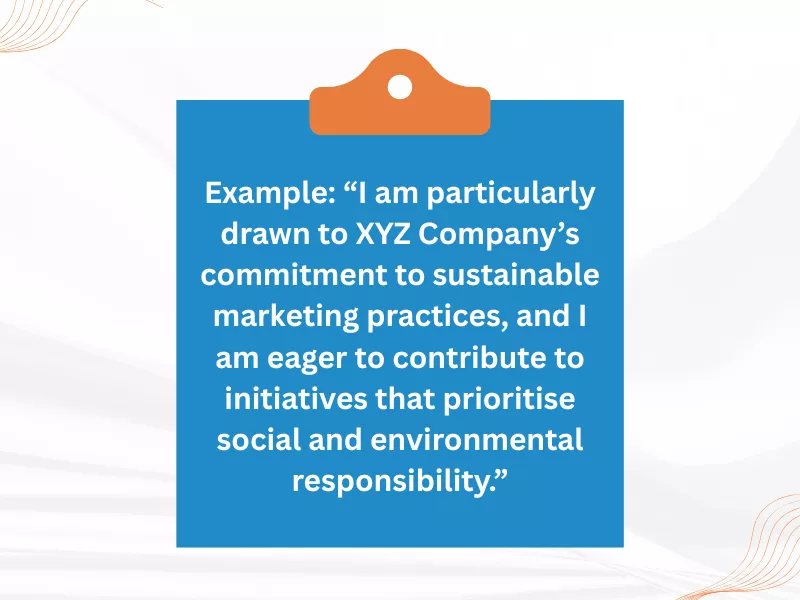
- Show understanding of the company’s values, mission, or culture.
- Connect your career goals with what the organisation offers.
5. Conclusion
Purpose: End with a confident, polite, and action-oriented note.
Writing Tips:
- Restate your interest in the position.
- Indicate willingness to provide further information or attend an interview.

How to End a Supporting Statement?
Your ending to the supporting statement should be equally unique and leave a lasting impression. You must begin by thanking them for reading your letter, as the shortlisting panel will invest their time in doing so. Thanking them will only showcase your enthusiasm for the job.
Furthermore, if you are switching to a new career, you can follow supporting information examples. It clearly outlines what you are looking for in your new role. Lastly, end with your name and date, similar to a cover letter. You can contact the best CV writing service company in the UK to get the necessary help with your summary statement.
What to Include in Your Final Paragraph:
- A Final Reminder of Your Fit: Briefly restate how your skills align with the role or organisation as per your research.
- A Positive, Forward-looking Tone: Show you’re excited about the potential opportunity.
- A Professional Closing Line: Keep it clear, confident, and respectful, like the examples of supporting statements given here.
Make your CV match your statement
Tailor your CV to the same job criteria in minutes. Free to build — download from £3.99.
Why Is Writing a Supporting Statement Important?
➤ Demonstrates Role Fit: Shows how your skills, experience, and achievements match the specific job requirements.
➤ Highlights Accomplishments: Provides space to showcase measurable successes and concrete examples.
➤ Shows Motivation: Communicates your enthusiasm and interest in the role and organisation.
➤ Differentiates You: Helps you stand out from other candidates with similar qualifications.
➤ Proves Communication Skills: Demonstrates your ability to present ideas clearly and persuasively.
➤ Supports Selection Decisions: Often used by employers to shortlist candidates for interviews.
➤ Adds Context to Your CV: Bridges the gap between your resume and the role’s requirements.
➤ Personalises Your Application: Allows you to reflect your personality, values, and professional approach. You must follow this while writing a board application supporting statement.
Top Tips by CV Writers for Writing a Supporting Statement Effectively
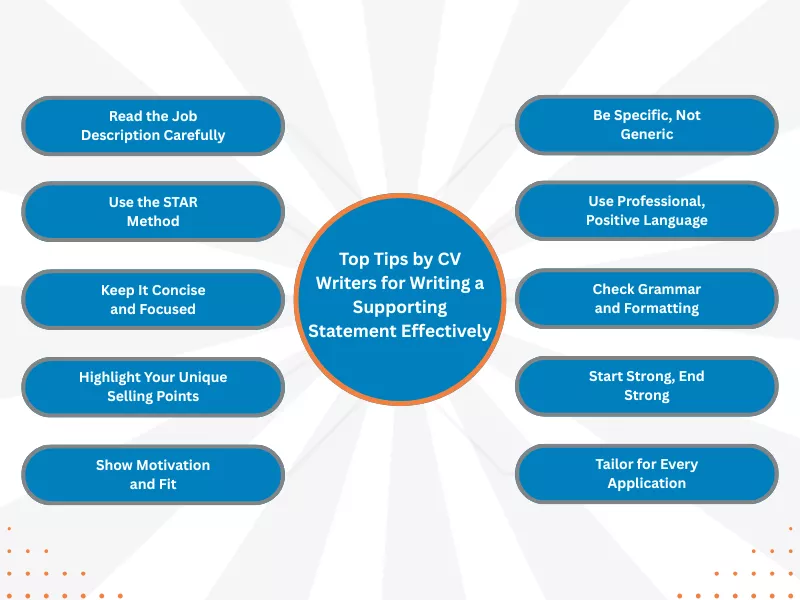
Read the Job Description Carefully
- Identify the key skills, experience, and qualifications required.
- Tailor your statement to address each essential criterion specifically.
Use the STAR Method
- Situation, Task, Action, Result helps structure examples clearly.
- Focus on measurable outcomes to make your achievements tangible.
Keep It Concise and Focused
- Stick to relevant experience and skills.
- Avoid long paragraphs; use clear, readable sentences.
Highlight Your Unique Selling Points
- Show what sets you apart from other candidates.
- Include unique experiences, accomplishments, or skills relevant to the role.
Show Motivation and Fit
- Explain why you want the role and how you align with the organisation’s values or mission.
Be Specific, Not Generic
- Replace vague statements like “I am a hard worker” with concrete examples and results.
Use Professional, Positive Language
- Maintain a confident, polite, and professional tone throughout.
Check Grammar and Formatting
- Proofread carefully for errors.
- Keep formatting consistent and easy to read.
Start Strong, End Strong
- Begin with a compelling introduction.
- Finish with a confident closing statement expressing interest in an interview.
Tailor for Every Application
- Avoid copying the same statement for different jobs.
- Customise each statement to reflect the role and organisation.
- Ask your mentor or friends for feedback.
- Get Personal statement writing services to avoid missing out on opportunities.
Here’s How to Start a Supporting Statement Example:
Paying proper attention to writing a CV Summary Examples when applying for a job is important. Before you start writing your supporting statement, it is essential to read the job description. You can tailor your statement to the position’s requirements by showcasing your skills and experience.
Once you understand that, you can start writing by introducing yourself and expressing your interest in the company you are applying to. Writing the supporting statement can begin by stating your name and mentioning your current position or relevant experience. But to make a lasting impression, you must know how to introduce yourself in a supporting statement.
Following the statement in support of application example, you can add why you are interested in that specific position in that particular company.
Example 1 – Professional and Direct

Example 2 – Emphasising Passion

Example 3 – Highlighting Key Skills

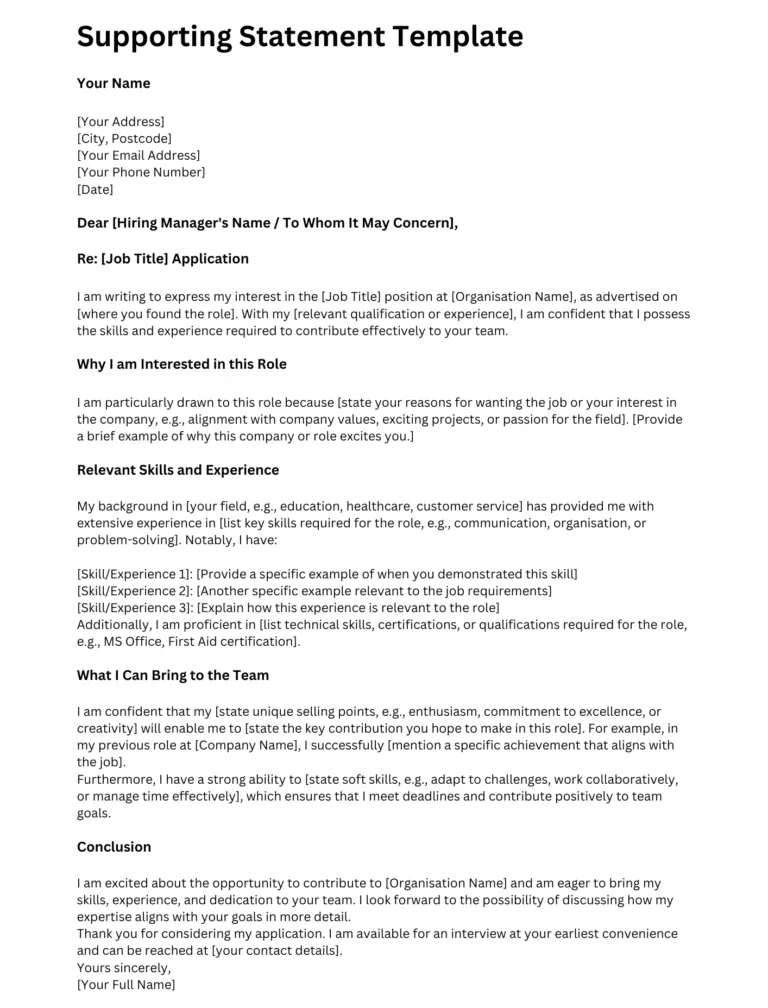
Let’s check out an excellent template example of supporting statement to ensure you can write a proper statement.
The Best Supporting Statement Template for UK Applicants That Employers Prefer
Here are a few examples of Supporting Statements to create an impression!
Key Supporting Statement Examples for Students: Never Miss an Opportunity
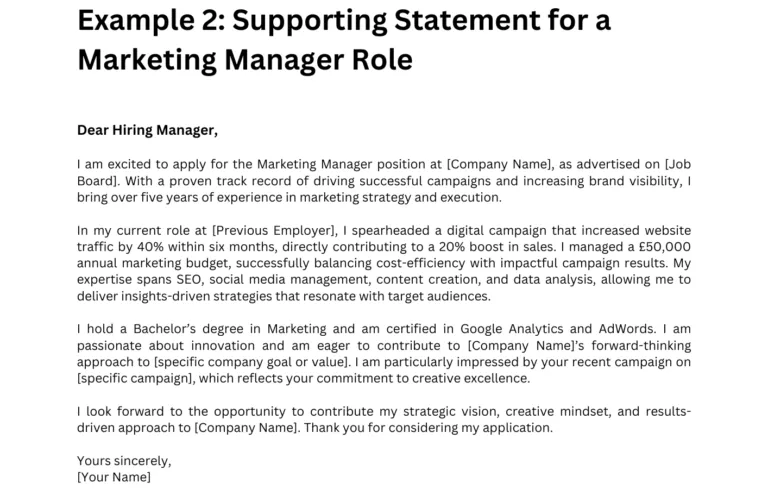
Supporting Statement Example for Job Application

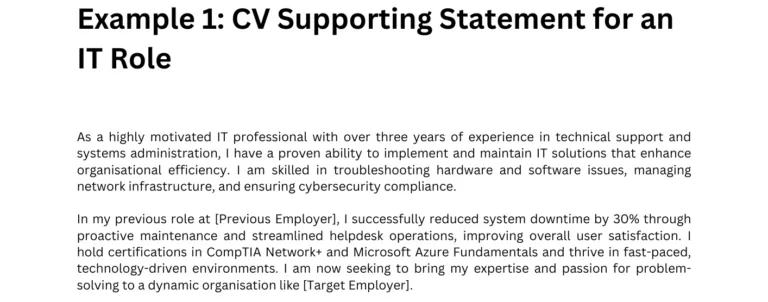
Supporting Statement Example for a CV
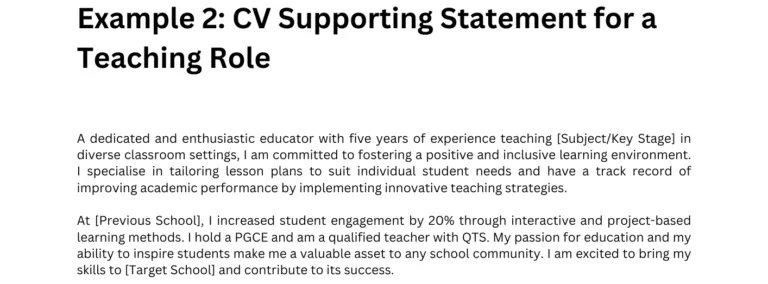
What Are Common Mistakes in a Supporting Statement?
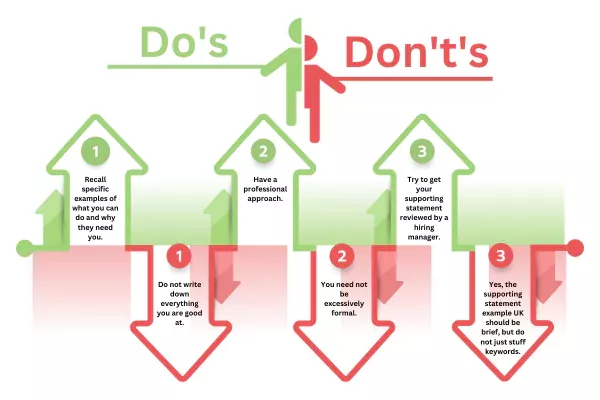
You must always use positive tone and language in your document. Additionally, you must avoid the following mistakes:
➤ Being too generic – Using vague statements like “I am hardworking” without examples or evidence.
➤ Copying your CV word-for-word – The statement should expand on your experience, not just repeat it.
➤ Ignoring the job description – Failing to address the essential criteria or specific skills required.
➤ Too long or unfocused – Rambling paragraphs that don’t highlight your key achievements.
➤ Poor structure or flow – Jumping between unrelated points without a logical order.
➤ Typos and grammatical errors – Mistakes make you look careless and unprofessional.
➤ Overuse of buzzwords – Words like “dynamic” or “innovative” in the application form without evidence can weaken your statement.
➤ Failing to show motivation or fit – Not explaining what motivates you for this role, why you want the role, or why you’re a good match for the company.
➤ Being overly modest or vague – Avoid understating your achievements; quantify results wherever possible.
➤ Ignoring formatting and readability – Dense blocks of text can be off-putting; use paragraphs or bullet points where appropriate.
Frequently Asked Questions
How Long Should a Supporting Statement Be?
When learning how to write, you must note that your supporting statement should be no more than 500 to 650 words. However, some companies set word limits for supporting statements or require applicants to follow specific guidelines. The word limits could be more than 650 words or even less than 500 words. It is essential to follow their lead and distribute words accordingly to include all necessary information.
How Do You Sell Yourself in a Supporting Statement?
Job interviews are like selling your skills to your potential recruiters. To market yourself successfully, you must first understand the demand. So, review the job description multiple times and determine what value you can add to this organisation. Present your skills accordingly in your supporting statement, and your chance of selection will be high.
Can I Use the STAR Method in a Supporting Statement?
Of course, using the STAR method in a statement is the best approach, as it helps you structure it properly.
Can I Upload My CV instead of Writing a Supporting Statement?
You cannot usually upload your CV instead of a supporting statement. Many employers specifically request a supporting statement because it demonstrates your fit, motivation, and understanding of the role, which a CV alone cannot fully convey. However, some online applications allow you to submit a CV only. In that case, make sure your CV clearly highlights achievements, skills, and experiences relevant to the role.
How Do I Write a Supporting Statement with No Work Experience?
Even without formal work experience, you can create a strong supporting statement by focusing on:
- Education and academic achievements: Highlight relevant coursework, projects, or grades.
- Volunteering or extracurricular activities: Demonstrate skills such as teamwork, leadership, and problem-solving.
- Transferable skills: Communication, organisation, digital literacy, or time management.
- Motivation and enthusiasm: Explain why you want the role and what you can bring to the organisation.
Example: “Although I am at the start of my career, my university project on community outreach taught me project planning and teamwork. I am eager to bring this enthusiasm and organisational skills to the role of Community Assistant at XYZ Charity.”
How useful was this post?
Click on a star to rate it!
Average rating / 5. Vote count:
No votes so far! Be the first to rate this post.
We are sorry that this post was not useful for you!
Let us improve this post!
Tell us how we can improve this post?

Want To See My Profile — Click Here Jessica
- How to Write Your Degree on a CV (With Examples & Formatting Tips) - August 22, 2026
- How Many Pages Should a CV Be? A Guide to Land Your Job Interview! - June 16, 2026
- Part time Jobs in UK for Students: 15 Best Options with Pay Rates - June 4, 2026
