
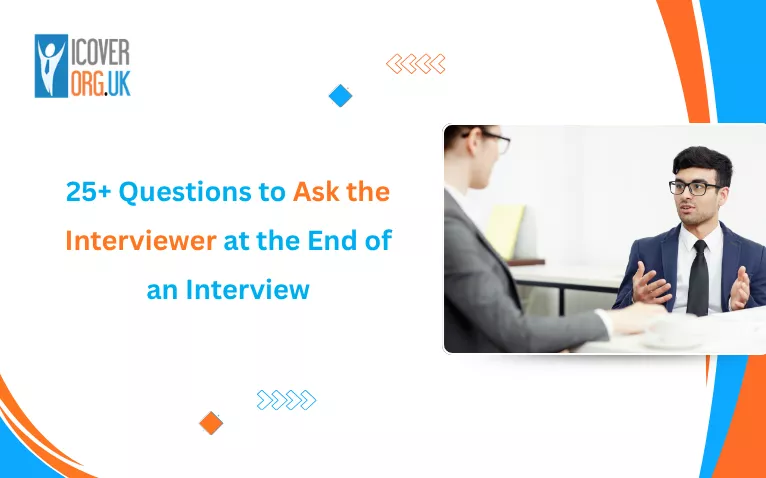
Have you ever felt clueless after being asked, “Do you have any questions for us?” at the end of an interview? 1 in 3 candidates feel the same way. But asking interviewers questions after the interview shows curiosity and confidence.
Therefore, being prepared to ask questions is essential. After all, interviews should be two-way. Recruiters are getting to know you, but you also need to get to know the company you wish to work for in the future. If you need inspiration, we have listed some smart questions to ask the interviewer at the end of an interview in this article.
From questions to ask about team structure and daily responsibilities to how to ask about performance review processes in an interview, we have covered everything! Keep reading!
Key Takeaways on Questions to Ask an Employer at an Interview
- Asking questions at the end of a job interview signals your interest, allows you to evaluate the company fit, and shifts the dynamic from a one-way test to a natural dialogue between two parties.
- Good questions to ask at the end of an interview include asking about team challenges, success measures, the daily routine, and what advice they have for the new hire.
- Candidates should avoid questions that make them look unprepared or overly demanding early on.
- Questions related to salary, holiday, and work flexibility should be saved until after you receive the final job offer.

Unique Questions to Ask the Interviewer to Stand Out
While professional CV writing services can help you secure the initial meeting, your performance during the interview is what ultimately lands the job. If you want to leave an impression on hiring managers and want them to remember your profile, ask questions at the end.
These questions can be about anything, for example, company culture or development opportunities. Plus, asking questions helps you understand if the role is right for you. Here are some questions to ask at the end of an interview:
Questions to Ask the Interviewer about Company Culture
Asking about the company’s culture is a smart way to assess the working environment. This gives you an idea about how to fit in. Through the recruiter’s response, you will understand the organisation’s priorities, employee habits and satisfaction, work-life balance, etc.
While you can directly ask, “Can you please describe the working culture?”, you can also ask the following for a detailed insight:
1. Asking about Daily Work Life
- What does a typical day look like here?
Or,
- Can you describe an average day in the role?
Answers to these questions help you get an idea about the employer’s expectations and ensure you experience no surprises on your first day.
2. Understanding Team Dynamics
- Can you tell me more about the team I would be working with?
Or,
- Can you tell me about the other people I’ll be working with closely?
You get to know how the company is structured, or if there is a hierarchical system. You also get an idea of how big and versatile the team is.
3. Understanding Other Employees’ Perspective
- In your experience, what are some of the highlights of working here?
Or,
- What do you enjoy about your job?
Or,
- What’s your favourite thing about the team you work with?
This gives you insight into the existing employees’ job satisfaction and why they love working here.
4. Understanding Management
If you are wondering how to ask about company leadership and management style professionally, here are some examples:
- How would you describe your leadership style?
Or,
- What’s your management style?
This is a very good question to ask if you are interviewed directly by the team manager. You get to know their point of view on running a team, which helps you gauge what it would be like to work under their management.
Questions to Ask the Interviewer about the Role and Responsibilities
Although the job description provides a clear outline of the role, it may not cover every detail. Just as cover letter writing services help you highlight your specific fit for a role on paper, these questions allow you to clarify those details in person.
Therefore, you can ask some questions about the roles and responsibilities that are unclear to you. Here are some examples:
1. Skill Expectations
Sample questions:
- Beyond the hard skills required to successfully perform this job, what soft skills would serve the company and position best?
Or,
- What characteristics and abilities should a person in this role generally have?
Or,
- How could I impress you in the first three months?
The response gives you a hint of what kind of employee you need to be to tick all the boxes of expectations for this role.
2. Clarity about Challenges
Here are some good questions to ask the interviewer regarding the challenges:
- What are the challenges of this position?
Or,
- What’s the biggest problem you’re facing that you’re hoping the person taking on this role will solve?
Asking this gives you a clear idea of the barriers you’re going to come up against. This also lets you consider whether you’re ready for those challenges.
3. Discussing the Actions
These questions show the hiring manager that you’re proactive and committed to the organisation’s goals.
- Can you describe the typical first-year assignments for this position?
Or,
- What are the immediate projects that need to be addressed?
Or,
- Can you show me examples of projects I’d be working on?
- Who will I report to directly?
Note: Always take notes during an interview while you are receiving such important information.
4. Identifying Skills Gaps
- What types of skills is the team missing that you’re looking to fill with a new hire?
- Is this a new role or will I be taking over for an employee who’s leaving?
- How does this position contribute to the company overall? (Follow-up question if it’s a new role)
These are smart questions to ask at the end of an interview, which help you understand the context of the vacancy. They also demonstrate your strategic thinking to add immediate value to the organisation.
Questions to Ask the Interviewer about Career Progression and Training
Asking questions about career progression and training gives you clarity on your professional development in the organisation. You can discuss this by asking the following purpose-based questions that reveal a company’s approach to employee development:
1. Training & Onboarding
- What does your onboarding process look like?
Or,
- What does the training process look like?
This gives you clarity on how to get started once you are hired for the role. Wanting to know about their training process and how work is allocated shows genuine enthusiasm for the role and the induction.
2. Understanding Performance Evaluation Standards
Understanding how your performance will be measured will help you be mentally prepared for meeting the expected standards. Here are some of the best questions to ask in an interview regarding this matter:
- What are the performance expectations of this position over the first year?
- What are the KPIs or key achievement areas for this role?
- What is your performance review process?
- How often are employees formally reviewed?
- What metrics or goals will my performance be evaluated against?
3. Clarity on Expansion of Duties and Growth
Instead of asking generic questions like: “Where do you see the company in three years?”, “How often do people get promoted?” or “Are there learning or development opportunities?”, consider asking these second interview questions to an employer at an interview:
- Will my main responsibilities for this position likely change in the next six months to a year?
- Will there be opportunities for stretch assignments where I can learn a lot and use new skills?
- Would I be able to represent the company at industry conferences?
- What do you imagine the career path to be for someone in this role?
Or,
- Where have successful employees previously in this position progressed to?
The answer to these questions lets you visualise a long-term career picture and whether you’d need to move roles to progress in the future.
This allows you to know whether there’s genuine room for growth. You also learn about the people who held this role before you and what they’ve gone on to do. This helps you understand how promotion works without making a direct query.
Other Important Questions to Ask at the End of an Interview
It’s easy to forget or leave out things in a 45-minute discussion. Therefore, before concluding or leaving, always ensure that your interviewer has all the information they need. Ask wrap-up questions like:
- Is there anything I didn’t cover in our conversation today?
Or,
- Can I answer any final questions for you?
Or,
- Is there anything else I can provide you with that would be helpful?
- What are the next steps in the interview process?
Also, consider sending an interview follow-up thank-you note via email.
What Questions Should You Not Ask the Interviewer?
Be mindful that there are some questions that you should avoid asking at the end of the interview process. Knowing what to avoid is as important as knowing how to formulate questions that impress interviewers. Certain questions are better saved until after you receive an offer or start work — and some are best never asked. These include:
- What does [Company] do exactly? What are your competitors? (This shows you haven’t done your research.)
- Does the company celebrate award events or birthdays?
- What is the annual leave entitlement?
- Personal or odd questions (Can we go for a coffee after this? Or, can I add you on Instagram?)
- Questions regarding salary, pay rises, and perks. Save the expected salary question for the final round, after you receive the final job offer.
- When do I start? Or, did I get the job? Or, how did I do? (These questions come across as presumptuous.)
How Do I Know Which Questions to Ask the Interviewer in a First-Round Interview?
Selecting the best questions to ask at the end of an interview depends on your priorities. The best approach is to think about the direction you want to steer the conversation in. If you want to properly show your interpersonal skills, ask questions about their workplace culture and team values. If you want to know more about the work ethic, consider asking questions about training and development opportunities.
As you focus more on how to prepare for an interview, you will naturally spot the gaps during the conversation and bridge them with discussion to make the interview successful.
In case you are just here for information and may need other solutions like CV writing services, our team of experts will be happy to help. Contact us to know more.
Conclusion
Navigating the final stages of a meeting can be daunting, but arriving prepared is key to success. Understanding what questions to ask the interviewer not only clarifies the role’s expectations but also demonstrates your proactive mindset. By focusing on culture, growth, and team dynamics, you ensure the position aligns with your career goals. Ultimately, a thoughtful dialogue leaves a lasting professional impression, which can help you stand out.
Frequently Asked Questions
How many questions should you ask at the end of an interview?
While there are more than 25 questions listed in this article, do not ask them all. You need to respect the interviewer’s time and choose only three to four questions to ask. You can write them down in a note and bring it with you to avoid forgetting.
How do I ask the interviewer for feedback at the end of an interview?
Asking for feedback directly at the end of a live interview is generally not appropriate or recommended. It can put the interviewer on the spot and often yields limited feedback. Instead, the best time to ask for feedback is after you receive a formal rejection via a polite follow-up email.
How do I ask about next steps after an interview?
While you can ask directly at the end of the interview using clear phrases like “What are the anticipated steps and timeline to complete this process?” or “When can I expect to hear back?”, it is highly recommended to send a polite follow-up email within 24 to 48 hours.
Is it bad to have no questions for the interviewer?
Generally, yes — while opinions differ on whether it’s a dealbreaker, saying “no” usually reads as disinterest. Asking questions shows you care about the role, want to learn more, and view the interview as a two-way engagement.
How to inquire about remote work policies during an interview?
To inquire about remote work policies during an interview without appearing uncommitted, frame your question around communication like this: How do remote colleagues stay aligned on daily projects and deadlines?
However, if 100% remote work is a dealbreaker for you, be direct about your requirements after expressing initial interest in the role.
What to ask interviewers about team collaboration software used?
To learn how a team actually functions, ask the interviewer specific, workflow-driven questions about their day-to-day tool usage rather than just asking what software they use. For example, you can ask:
- What software does the team use daily for chat, project tracking, and documentation?
- Which platform serves as your single source of truth for project details?
- Are your collaboration tools integrated, or do you manually update separate platforms?
- What hardware and operating systems does the team use as standard?
How to ask about diversity and inclusion initiatives in an interview?
Ask about diversity and inclusion (D&I) by focusing on tangible actions, measurable outcomes, and everyday culture rather than abstract company values. Frame your questions to prompt specific examples from the interviewer, such as inquiring about employee or staff networks, management training, or how the company tracks its progress. For example, you can ask:
- Are there active employee/staff networks (sometimes called Employee Resource Groups or affinity groups), and how does leadership support them?
- Can you share concrete examples of how D&I principles shape your team’s day-to-day collaboration?
How to ask questions to understand a company’s product management style?
To understand a company’s true product management style, you must look past generic buzzwords like “Agile” or “customer-centric” and ask highly specific, behavioural questions about how decisions are actually made. For example:
- Are product teams measured by outputs (e.g. shipping on time) or outcomes (e.g. hitting a business metric)?
- What key performance indicators (KPIs) were used to evaluate the success of your latest major launch?
- How does the company handle a situation where a team ships a feature on time, but it fails to move the target metric?
How useful was this post?
Click on a star to rate it!
Average rating / 5. Vote count:
No votes so far! Be the first to rate this post.
We are sorry that this post was not useful for you!
Let us improve this post!
Tell us how we can improve this post?

Want To See My Profile — Click Here Jonathan
- OKR vs KPI: What’s the Difference? (With UK Workplace Examples) - August 14, 2026
- 25+ Questions to Ask the Interviewer at the End of an Interview - August 8, 2026
- Video Interview Tips UK: How to Succeed in a Remote Job Interview - July 3, 2026
